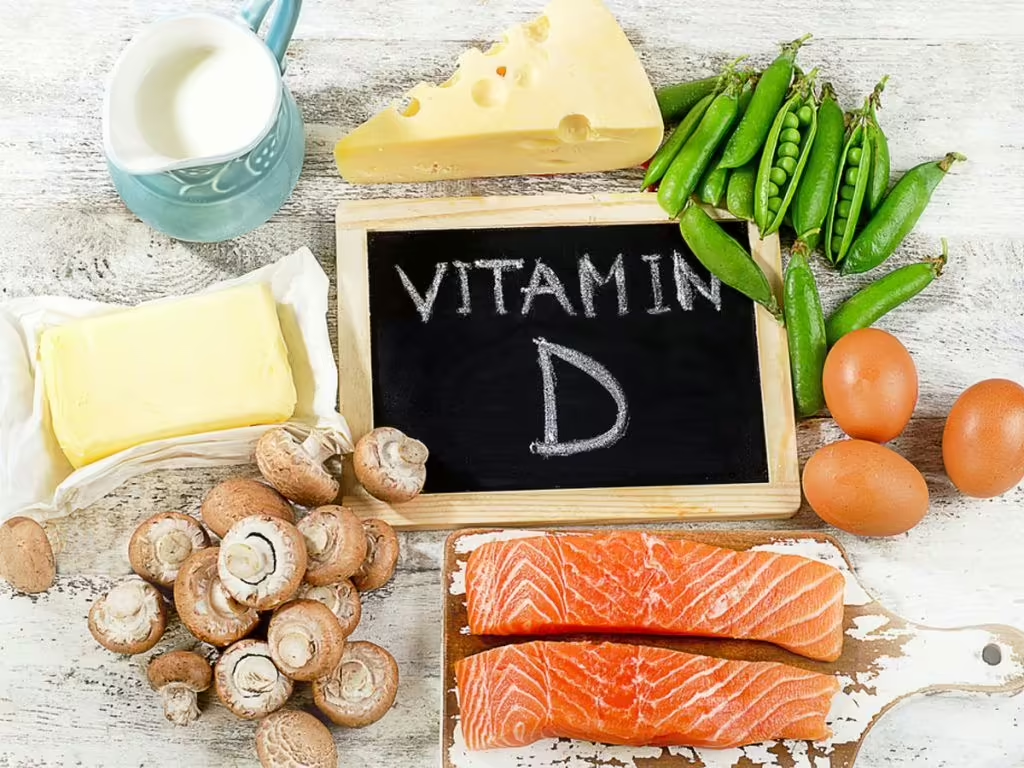
Understanding Vitamin D Deficiency in Winter
As winter settles into Salt Lake City, the days get shorter and we spend more time indoors bundled up. While the snow is beautiful, it brings a hidden health challenge: Vitamin D deficiency. Often called the "Sunshine Vitamin," Vitamin D is unique because our bodies produce it naturally when our skin is exposed to direct sunlight. In the winter months at northern latitudes, the sun's angle is often too low to trigger this production effectively.
Why Vitamin D Matters
Vitamin D is actually a pro-hormone that influences over 2,000 genes in the body. It is critical for:
- Bone Health: It is essential for calcium absorption. Without it, bones can become brittle.
- Immune Function: It modulates the immune response, helping to fight off infections like the flu.
- Mood Regulation: Low levels are strongly linked to Seasonal Affective Disorder (SAD) and depression.
- Hormonal Balance: It plays a role in testosterone and estrogen regulation.
Signs You Might Be Deficient
Deficiency is incredibly common, affecting up to 42% of the US population, with higher rates in winter. Symptoms can be subtle but impactful:
- Fatigue and low energy
- Frequent illnesses or infections
- Bone or back pain
- Depressed mood or "winter blues"
- Slow wound healing
- Hair loss
The Injection Advantage
While oral supplements exist, they can be hard for the body to absorb, especially for those with gut issues. Furthermore, Vitamin D is fat-soluble, meaning it needs to be taken with fat to be absorbed, which many people miss.
Intramuscular (IM) Vitamin D injections deposit a high dose of the vitamin directly into the muscle tissue. From there, it is slowly released into the bloodstream over time, providing a sustained boost to your levels. This method is:
- More Efficient: 100% absorption compared to oral supplements.
- Convenient: One quick shot can maintain levels for weeks or months, meaning you don't have to remember a daily pill.
- Fast-Acting: It raises serum levels more quickly than oral dosing.
Don't let the winter gloom dim your health. Checking your Vitamin D levels and supplementing appropriately is one of the simplest, most effective ways to protect your physical and mental well-being through the cold season.
More from the Journal

How high-dose Vitamin C and Zinc infusions can strengthen your immune defense during the colder months.
Nicotinamide Adenine Dinucleotide (NAD+) levels decline as we age. Learn how supplementation can support mitochondrial health and energy.

Alcohol depletes B-vitamins and antioxidants. Find out why a comprehensive IV cocktail is the fastest way to bounce back.